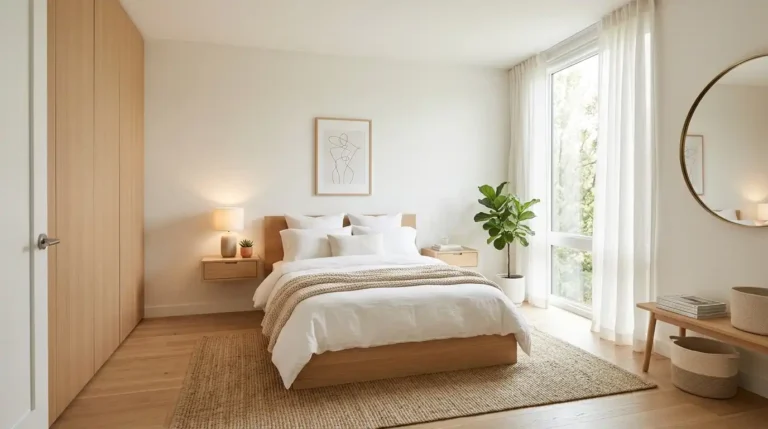

12 Best Blackout Curtains for Better Sleep
You bought the good pillows. You tried the white noise app. But every morning at 5:14 a.m., a blade of sunlight hits you right across the eyelids and that is the end of your sleep. The best blackout curtains for better sleep fix the one thing most people overlook: the window.
Light is the strongest signal your brain uses to decide if it is time to wake up. Even a thin glow from a streetlamp or an early sunrise can pull you out of deep sleep before your body is ready. No amount of melatonin fixes a bright bedroom.
The right blackout curtains do more than block light. Some cut outside noise. Some insulate against heat and cold. And some just look really good while keeping your room dark enough to actually rest. Here are 12 options worth trying, from heavyweight velvet panels to portable travel shades.
1. Triple-Weave Fabric in Charcoal Gray

Most “blackout” curtains still let light leak through the weave. You can see it when you hold them up to a window in the store. A triple-weave panel solves this because the middle layer is a dense black thread sandwiched between two layers of fabric.
Charcoal gray works especially well in bedrooms because it absorbs light without making the room feel like a cave during the day. It pairs naturally with white bedding, warm wood tones, and most wall colors. If you are building a neutral bedroom color palette, charcoal curtains slide right in without clashing.
Look for panels that are at least 52 inches wide per window. Anything narrower and you will get light gaps at the sides, which defeats the whole purpose.
2. Floor-to-Ceiling Linen-Look Panels

The soft, slightly rumpled drape of linen-look blackout panels changes the entire feel of a bedroom. They hang with a casual weight that looks relaxed, not stiff like a hotel conference room. The texture catches soft light during the day and gives the room a layered, lived-in quality.
Hang them from ceiling height, not from the top of the window frame. This makes even a small bedroom feel taller and keeps light from sneaking in above the rod. Let the hem just barely brush the floor or puddle about an inch for a softer look.
Most linen-look blackouts come in ivory, oatmeal, and taupe. They blend into almost any wall color and work well in rooms where you want darkness at night but warmth during the day.
3. Rod Pocket Velvet in Deep Navy

Swap out your curtain rod for a thick brass or matte black one, thread velvet rod pocket panels onto it, and watch your bedroom go from forgettable to the room you actually want to spend time in.
Velvet is naturally dense, so most velvet curtains block 85 to 95 percent of outside light without needing a separate liner. Deep navy reads as rich and warm without the heaviness of black. It also absorbs sound better than thinner fabrics, which helps if you live on a busy street or near neighbors who like to talk on their porch at 11 p.m.
One thing to know: velvet holds dust. Run a lint roller down each panel every couple of weeks, or toss them in the dryer on low with a damp cloth for ten minutes to shake off the buildup.
4. Thermal Insulated Double-Layer White

A lot of people skip white blackout curtains because they assume white fabric lets light through. Not with a double-layer construction. These panels have a white face with a bonded blackout backing, and they block light just as well as dark colors.
The thermal layer does double duty. In summer it reflects heat away from the glass. In winter it traps warm air inside. If your bedroom window faces west and turns into a furnace by 4 p.m., these panels make a real difference.
White panels keep the room feeling bright and open during the day when they are pulled back. They work well in small bedrooms where darker curtains can make the space feel closed in.
5. Grommet-Top Curtains in Sage Green

Saturday morning. The room is dark. You slept eight full hours and you can feel it. You pull back the curtains and the sage green fabric catches the light with a soft, earthy warmth. That is what this color does to a bedroom.
Grommet tops slide open and closed with almost no friction, which matters more than people think. If your curtains are hard to move, you stop closing them every night. Grommets also create even, uniform folds that hang neatly even on a basic rod.
Before you order, measure carefully. Getting the wrong size is the number one reason blackout curtains fail to actually block light.
How to measure for blackout curtains
6. Tab-Top Cotton in Warm Beige

Blackout curtains that actually look like regular, beautiful curtains? That is the whole appeal of tab-top cotton panels with a bonded blackout back. The front is soft woven cotton in warm beige. The back does all the light-blocking work.
Tab tops create wide, relaxed folds that drape with a casual elegance. They look particularly good in bedrooms with natural materials: rattan headboards, wooden nightstands, woven baskets. If you have been working on building a cozy bedroom, these curtains finish the look without trying too hard.
The one trade-off: tab tops do not slide as easily as grommets. You have to gather the fabric by hand. For a bedroom where you open and close curtains once a day, that is fine.
7. Noise-Reducing Heavyweight Panels

Standard blackout curtains block light. Heavyweight noise-reducing panels block light and muffle sound. The difference is weight. These panels typically use three or four layers of densely woven fabric, sometimes with a felt-like interlining, that absorbs sound waves before they bounce around your room.
If you live near a highway, an airport flight path, or next to a dog that barks at 6 a.m., heavyweight panels are worth the extra cost. They will not make your room soundproof, but they take the edge off enough to let you stay asleep through background noise.
I’ve tested several brands in a bedroom that faced a main road, and the difference between a regular blackout panel and a heavyweight one was noticeable from the first night.
Use a sturdy rod rated for heavy curtains. Lightweight rods will sag or pull out of the wall.
Mount brackets into wall studs or use heavy-duty drywall anchors.
Do not use tension rods for heavy panels. They will fall within a week.
Avoid hanging heavyweight curtains on a single center bracket. Use at least three support points.
8. Back-Tab Curtains with Silver Lining

Here is a small rule that makes a big difference: the back of the curtain matters as much as the front. Back-tab panels with a silver or white reflective lining bounce sunlight away from the glass instead of absorbing it. Your room stays cooler and darker.
The back-tab design hides the rod completely, giving you a clean, tailored look from inside. No visible hardware, no metal grommets. Just fabric flowing from what looks like nothing.
Silver-lined panels are a strong pick for west-facing bedrooms that get hammered with afternoon sun. They also help in summer months when your air conditioner is working overtime against hot windows.
9. Blackout Liner Behind Sheer Curtains

People make this mistake all the time: they love their sheer curtains, so they refuse to switch to blackouts. But you do not have to choose. A separate blackout liner hangs behind your existing sheers on the same rod or on a double rod, and you get both.
During the day, pull the liner back and let the sheers filter soft light into the room. At night, close the liner and your room goes dark. It is the best of both worlds, and it costs a fraction of replacing your curtains entirely.
Install a double curtain rod or use clip rings to add a second layer behind your sheers.
Choose a white or light gray blackout liner so it does not show through the sheers.
Make the liner 2 to 3 inches wider than the sheers on each side to prevent light from leaking around the edges.
10. Wraparound Rod for Zero Light Gaps

I spent two years wondering why my blackout curtains were not actually making the room dark. Turns out it was not the curtains. It was the rod. A standard curtain rod leaves a gap on each side where the fabric ends and light pours in. A wraparound rod curves back toward the wall, and the curtain follows it, sealing off those side gaps completely.
This is the single cheapest upgrade that makes the biggest difference. Most wraparound rods cost between $15 and $30, and they install in 20 minutes with a drill and two brackets.
If you already own blackout curtains and they are not blocking enough light, check your rod first. Nine times out of ten, the rod is the problem.
11. Portable Travel Blackout Shade

Hotel windows are the enemy of sleep. The curtains never close all the way. There is always a two-inch gap in the middle leaking light from the parking lot. A portable blackout shade fixes this anywhere you travel.
These shades use suction cups to stick directly to the glass. No rods, no hooks, no damage to the window. They roll up small enough to fit in a carry-on. Parents of small children swear by them for nap time on vacation because a dark room is the only reliable way to get a toddler to sleep in an unfamiliar place.
They also work well as a temporary solution in a rental while you figure out your permanent curtain setup.
💡 Quick Tip
Before you stick suction cups to hotel glass, wipe the window with a damp cloth first. Dust and grime weaken the seal and your shade will pop off at 3 a.m.
12. Motorized Blackout Roller Shade

Set a schedule and forget about it. A motorized roller shade drops at 9 p.m. and lifts at 7 a.m. without you touching a thing. Most models connect to a smart home hub or work with a simple remote.
Roller shades sit inside the window frame, which gives you a clean, modern look with no fabric pooling on the floor. The blackout version uses an opaque material that stops light completely when fully lowered. Some models have side channels that eliminate the thin light strips you get along the edges of standard rollers.
They are pricier than traditional curtains, but if you are building a bedroom that truly supports deep sleep, a motorized shade is the last piece of the puzzle. Pair them with soft curtain panels on either side for warmth, and you have a setup that works around the clock.
Conclusion
A dark bedroom is not a luxury. It is one of the simplest things you can do for better rest. The right blackout curtains for better sleep keep light out, help control temperature, and let your body actually finish a full sleep cycle instead of waking up to a bright window at dawn.
Start with one window. Try one pair. See what a truly dark room does for how you feel in the morning. You will probably wonder why you waited so long.
Save this list for the next time you are ready to upgrade your bedroom for better sleep.